Twenty years ago, I received a diagnosis that changed the way I thought about food, exercise, and cooking.
I had angina.
At the time, I was running a business. My days were busy, stress was constant, and convenience often determined what I ate. I paid attention to ingredients, but not nearly enough to how those ingredients were prepared.
After my diagnosis, I began making changes.

Morning walk and exercise at Nha Trang Beach in VietnamI moved toward a more plant-forward way of eating, with more vegetables, fish, beans, whole foods, and simple meals. I also committed to regular aerobic activity.
Years later, I still walk, swim, and stay active whenever I can — including the early-morning walks and swims I enjoyed during my travels in Vietnam.
But there was another change that became increasingly important to me:
I began paying much more attention to how I cooked.
This article isn’t medical advice, and cooking methods cannot prevent or treat heart disease. I am sharing my personal experience and what I have learned through more than 40 years working in stainless-steel cookware development and manufacturing.
Heart-Healthy Cooking Starts With More Than Ingredients
When people think about a heart-conscious diet, they often focus on what goes onto the plate.
That matters enormously.
But my years working with cookware taught me to ask another question:
What happens to food while we cook it?
Temperature, cooking time, added water, and cooking technique can all affect texture, flavor and, to varying degrees, nutrient retention.
That realization gradually changed the way I use my kitchen.
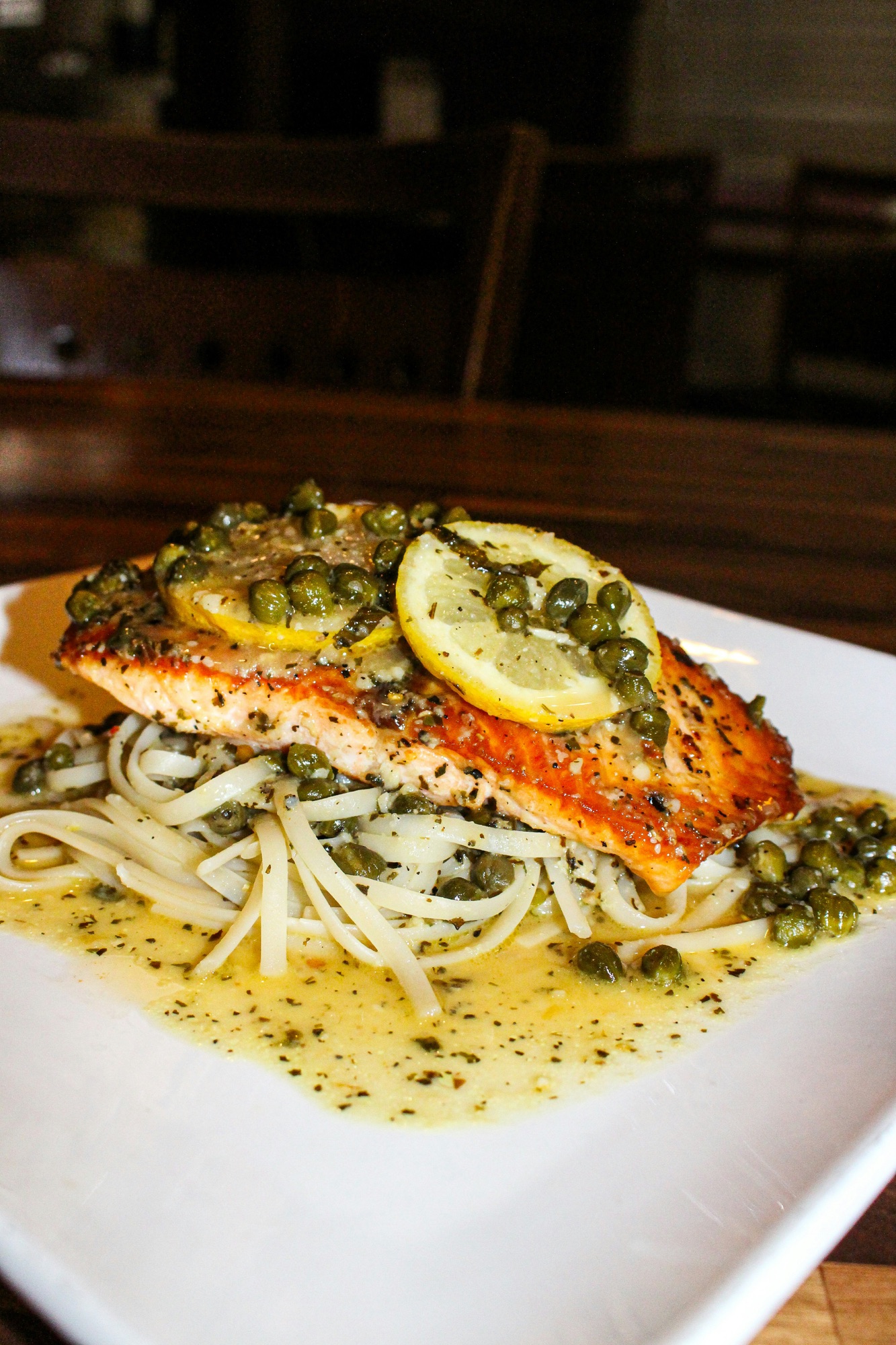
- Fish, Omega-3s and Gentler Cooking
Fish such as salmon, sardines and mackerel can provide omega-3 fatty acids and are commonly included in heart-conscious dietary patterns.

Salmon cooked gently in a stainless steel panI enjoy salmon regularly.
But rather than assuming that hotter cooking is always better, I usually cook fish with controlled heat and avoid cooking it longer than necessary.
My preferred method is simple:
Moderate heat. A covered pan when appropriate. Just enough cooking time.
The goal isn’t to claim that gentle cooking magically preserves every nutrient. Cooking inevitably changes food.
For me, the practical advantage is simpler: the fish remains moist and flavorful without unnecessary overheating.
That means I can enjoy the food with relatively simple seasoning.
2. Extra Virgin Olive Oil: Temperature Still Matters
Extra-virgin olive oil is another ingredient I frequently use.
It contains monounsaturated fats and naturally occurring plant compounds, including polyphenols. However, heat can alter some of these compounds, and the extent depends on factors such as temperature and cooking time.
That doesn’t mean olive oil suddenly becomes “bad” when heated.
Instead, my approach is moderation.
For everyday cooking, I generally avoid unnecessarily extreme temperatures. Sometimes I also add extra-virgin olive oil after cooking — over vegetables, salads or other dishes — where its flavor can be enjoyed directly.
It’s a small habit that fits naturally into the way I cook.
3. Vegetables, Potassium and Cooking Water
Vegetables are central to my meals.
Leafy greens, tomatoes, beans, potatoes, sweet potatoes and avocados are among foods that can contribute potassium to the diet.
One thing my cookware work taught me to pay attention to is water.
Some minerals and water-soluble nutrients can move from food into cooking water. When vegetables are boiled in a large amount of water and that liquid is discarded, some of those nutrients leave with it.
That doesn’t make boiling “bad.” Soup, for example, keeps the cooking liquid as part of the meal.
But when I don’t need that extra water, I often don’t use it.
My Low-Moisture Cooking Approach

Vegetables cooked with minimal water in a covered stainless steel panThis is where my professional experience and personal cooking habits meet.
For decades, I worked with stainless-steel cookware and studied how cookware construction, heat distribution, lids and moisture interact during cooking.
Today, I frequently use a simple approach:
Less added water. Moderate heat. Lid on when appropriate. Cook only as long as necessary.
I sometimes describe this as low-moisture cooking.
It doesn’t mean literally cooking every food without water. Rice, soup, pasta and many other dishes obviously require liquid.
Instead, it means allowing vegetables and other moisture-rich ingredients to contribute more of their own natural moisture whenever the recipe allows.
For me, there is another benefit: vegetables often retain a satisfying texture and concentrated natural flavor.
4. Don’t Let High Heat Become the Default
Another lesson I learned from working with cookware is that high heat isn’t necessary for everything.
Cooking oils behave differently depending on their composition, temperature and cooking duration. Excessive heating can accelerate oxidation and other chemical changes.
So I use a very practical rule:
If an oil is visibly smoking, I reduce the heat.
Rather than being afraid of cooking oil, I simply try to match the oil and temperature to the cooking method.
This is less dramatic than many internet warnings about cooking oils — but after decades around cookware, I believe good heat control is one of the most useful kitchen skills we can learn.
What Changed After My Diagnosis
Looking back, my lifestyle didn’t change because of one miracle ingredient, one pan, or one diet.
It changed through many small decisions.
I began eating more vegetables and whole foods. I became more physically active. And over time, I became much more conscious of temperature, water and cooking time.
I still follow those principles today:
- Use moderate heat when high heat isn’t necessary.
- Use only as much water as the food actually needs.
- Keep cooking times reasonable.
- Let vegetables contribute their natural moisture.
- Choose a varied, plant-forward diet and include foods such as fish, legumes and vegetables.
These habits are simple.
And that’s precisely why I’ve been able to continue them.
What 40 Years in. Cookware Taught Me
After four decades in stainless-steel cookware development and manufacturing, I’ve become less interested in complicated cooking rules.
I am more interested in understanding what is happening inside the pan.
Heat matters. Water matters. Time matters. And the quality of the ingredients matters most of all.
Cookware is a tool. It cannot make us healthy by itself, and no cooking method should replace medical care, prescribed medication, exercise, or a balanced diet.
But good cookware and thoughtful cooking techniques can make it easier to prepare simple foods in a way we genuinely enjoy.
That is the philosophy I continue to practice in my seventies.
A Kitchen Philosophy I Still Follow Today
My approach today can be summarized in a few words:
Gentle heat. Minimal unnecessary water. Simple ingredients.
During my travels, whether I am walking through a Vietnamese morning market, looking at freshly harvested vegetables, or preparing a simple meal at home, I keep returning to those principles.
They came from my professional life in cookware.
But over the years, they became part of my personal life as well.
Let’s Continue the Conversation
I share these experiences not as a doctor or nutritionist, but as someone who has spent more than 40 years developing and manufacturing cookware — and who became much more thoughtful about food and cooking after facing my own health challenges.
Through Grandpa Pot’s Healthy Table, I continue sharing what I have learned about stainless-steel cookware, low-moisture cooking, heat control, simple ingredients, and the food traditions I discover while traveling.
If you would like to see my cooking videos, travel stories, and other updates, you can find everything through my Linktree:
Linktree: https://linktr.ee/peterpark3126
And I would especially like to hear from you:
Has a health experience ever changed the way you cook or eat? What is one kitchen habit you changed and kept?
Share your experience in the comments. We may learn something useful from one another.
This article shares my personal experience and general information about cooking. It is not medical advice. If you have cardiovascular disease, high blood pressure, kidney disease, or other medical conditions, discuss dietary changes with your healthcare professional.