Let me share something that took me years to appreciate.

A simple, balanced dinner is part of my evening routine as I grow older.
Alt text:
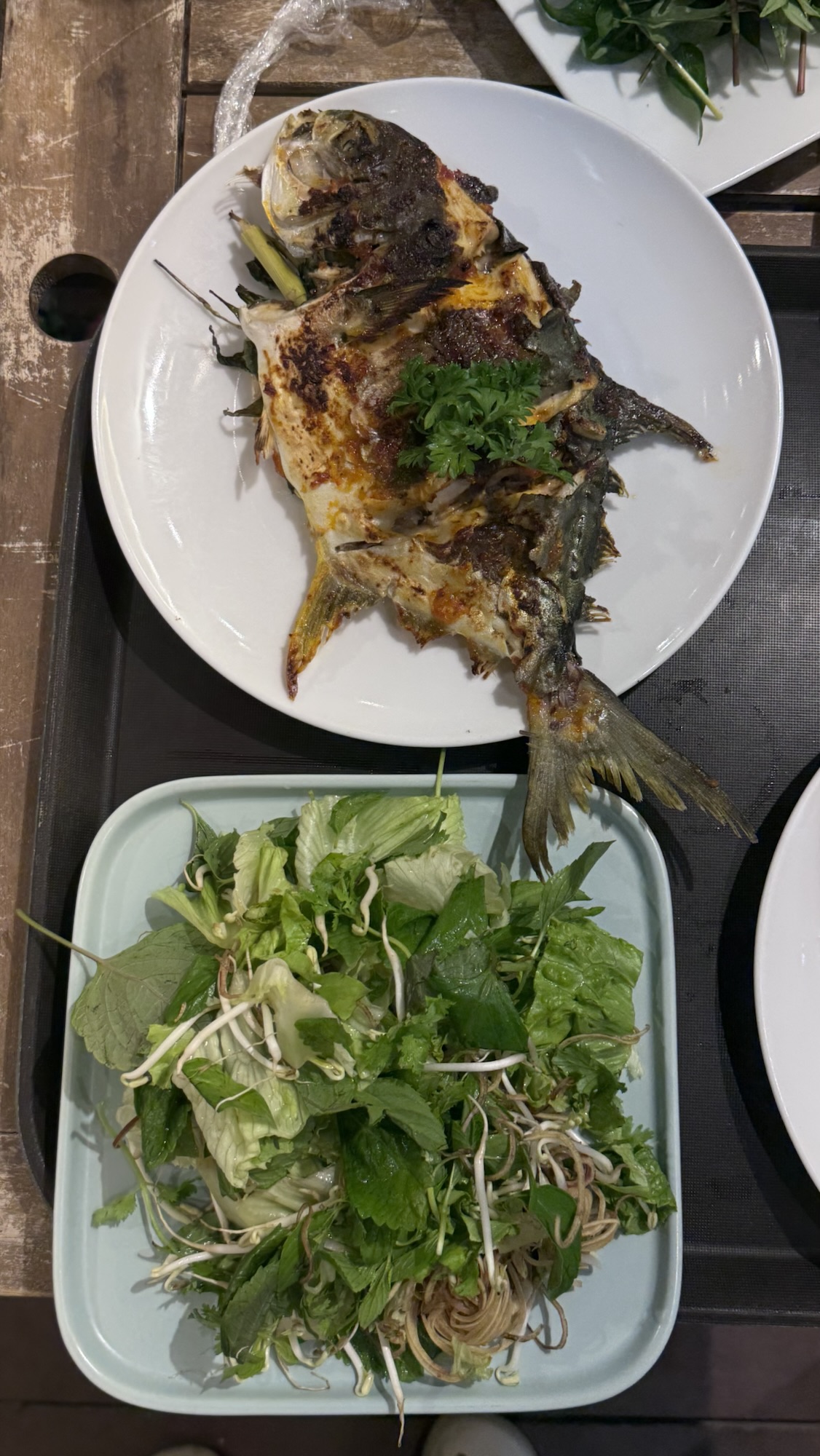
Balanced healthy dinner for better sleep after 60As I grew older, I began paying much more attention not only to what I eat, but also to when I eat and how my food is prepared.
Today, in my seventies, I often sleep better than I did years ago. I usually go to bed without feeling overly full, wake early, and try to begin the day with some movement.
I don’t believe there is one food—or one cooking method—that guarantees better sleep.
Sleep is much more complicated than that.
But through my own experience, and after more than 40 years developing and manufacturing stainless-steel cookware, I have become convinced of something much simpler:
Dinner should nourish the body without making it work unnecessarily hard before bedtime.
That principle has changed the way I prepare my evening meals.
Why Sleep Changes After 60
Sleep often changes as we age.
Older adults may experience lighter sleep, more frequent nighttime waking, or earlier morning waking. Changes in circadian rhythms, medications, health conditions, activity levels, stress and lifestyle can all play a role.
This means we should be careful about promising that a particular food can “fix” sleep.
Food is only one piece of the puzzle.
However, our evening meal can still matter.
A very heavy dinner, too much alcohol or caffeine, or eating a large meal immediately before going to bed may make a comfortable night’s sleep more difficult for some people.
That is why I now think of dinner differently.
Instead of asking:
“What food will make me sleep?”
I ask:
“What kind of dinner will leave my body comfortable and well nourished before bedtime?”
That is a much more practical question.
- Start With a moderate Portion of Protein
Protein is an important part of a balanced diet, particularly as we get older.
Foods such as eggs, poultry, fish, dairy products, beans, lentils, nuts and seeds provide amino acids, including tryptophan.
Tryptophan is an essential amino acid involved in the body’s production of serotonin and melatonin, substances that participate in normal sleep-wake regulation.
But that does not mean eating a huge turkey dinner will put you to sleep.
The relationship between dietary tryptophan and sleep is considerably more complicated.
For dinner, I prefer a moderate portion of protein rather than an oversized serving.
My cooking approach
I also try not to overcook protein.
That doesn’t mean that protein should be undercooked—food safety always comes first.
It means using enough heat to cook the food safely without continuing to cook it until it becomes unnecessarily dry or tough.
For example, chicken or fish cooked gently with vegetables in a covered pan can remain moist without requiring a large amount of added oil.
After decades of working with cookware, this is one lesson I keep returning to:
More heat is not automatically better cooking.
2. Include Magnesium-Rich Whole Foods

Fresh leafy greens at a local market — simple whole foods I try to include in my meals.
Magnesium is an essential mineral involved in hundreds of processes in the body, including normal muscle and nerve function.
Good dietary sources include:
- dark leafy greens
- beans and lentils
- nuts
- seeds
- whole grains
I prefer getting nutrients from ordinary foods whenever practical rather than thinking first about supplements.
Spinach, kale and other leafy vegetables are especially easy to add to an evening meal.
But there is another lesson from the kitchen that matters here.
Don’t automatically boil vegetables in a large pot of water
What most people don’t realize is that nutrition plays a direct role in all of these processes. The foods you eat — particularly at dinner — either support or undermine the hormonal and neurochemical conditions your body needs to sleep well.
Some minerals and water-soluble nutrients can move into cooking liquid.
If vegetables are boiled in a large amount of water and that water is discarded, some of those nutrients can be lost with it.
That doesn’t make boiling “bad.” Soup, for example, keeps the cooking liquid as part of the meal.
But when I cook vegetables separately, I usually prefer a covered pan with little added water and a short cooking time.
The vegetables already contain a surprising amount of natural moisture.
This has been central to my cooking philosophy for many years:
Use the food’s own moisture whenever possible.
3. Choose Whole Foods Commonly Studied in Relation to Sleep
Several ordinary foods have attracted research interest because of their possible relationship with sleep.
Tart cherries
Tart cherries naturally contain small amounts of melatonin and other plant compounds.
Some small studies have examined tart cherry products in relation to sleep, but the research is still limited and results should not be interpreted as proof that tart cherries treat insomnia.
For me, the practical lesson is simpler:
Fresh fruit can be a much better evening choice than a large sugary dessert.
Kiwi
Kiwi has also been investigated in small studies involving adults with sleep difficulties.
Again, this doesn’t make kiwi a sleeping pill.
It is simply a nutrient-rich whole fruit that can fit easily into a balanced diet.
Walnuts
Walnuts provide healthy unsaturated fats, plant-based omega-3 fatty acids and several minerals.
A small handful can be a useful addition to a meal or snack, but portion size still matters because nuts are energy-dense.
The important point is not to search for a “miracle sleep food.”
I would rather build a good overall eating pattern from ordinary whole foods.
4. Don’t Forget Vitamin B6
Vitamin B6 participates in many metabolic processes and is involved in pathways related to neurotransmitter production.
Food sources include:
- salmon
- poultry
- chickpeas
- potatoes
- bananas
- fortified cereals
B6 is water-soluble, which brings us back to cooking technique.
Long cooking in a large amount of water can result in losses of some water-soluble vitamins.
That is another reason I frequently use shorter cooking times and minimal added water for vegetables.
Again, this isn’t about trying to preserve 100% of every vitamin. No cooking method does that.
Cooking itself can improve digestibility, food safety and the availability of certain nutrients.
The goal is balance.
Cook enough—but don’t cook more than necessary.
5. Pay Attention to What Happens at Dinner
For me, improving my evening meal has been less about finding special foods and more about changing several habits.
Heavy metals close to bedtime
A very large meal late at night may cause fullness, reflux or digestive discomfort in some people.
I now prefer a moderate dinner and try to give myself some time between dinner and going to bed.
Too much refined sugar
Desserts and refined carbohydrates aren’t forbidden foods.
But I prefer not to make them the center of my evening meal.
Whole grains, beans, vegetables and foods such as sweet potatoes provide fiber and make it easier for me to build a more balanced plate.
Excessively heated cooking oil
I also avoid unnecessarily overheating oil until it smokes.
When oil visibly smokes, it is being exposed to temperatures at which its quality can deteriorate.
Different cooking oils have different properties and appropriate uses, so I choose the oil and temperature according to the cooking method rather than assuming that hotter is always better.
This principle applies to almost everything I cook:
Control the heat instead of letting the heat control the food.
My Simple Dinner Approach After 60
I don’t count every nutrient at dinner.
Instead, I use a very simple framework.
A moderate portion of protein
Fish, chicken, eggs, tofu, beans or lentils.
Plenty of vegetables
Especially leafy greens and colorful vegetables, cooked only as much as necessary.
A modest portion of complex carbohydrates
Sweet potato, brown rice, beans or whole grains.
A small amount of healthy fat
Olive oil, avocado, nuts or seeds.
Fruit when I want something sweet
Rather than automatically reaching for a heavily processed dessert.
Most importantly, I try not to eat until I feel stuffed.
For me, a comfortable stomach at bedtime is worth more than an oversized dinner.
A Simple Example From My Kitchen
One of my easiest evening meals might look like this:
A small piece of salmon or chicken, leafy greens and other vegetables cooked in a covered pan with minimal added water, plus a small sweet potato.
For dessert, perhaps some fruit.
Nothing complicated.
No special “sleep recipe.”
No miracle ingredient.
Just a moderate, balanced dinner prepared without unnecessary water, excessive heat or excessive cooking time.
That is the kind of food I personally feel most comfortable eating in the evening.
What 40 Years in Cookware Taught Me
I am not a chef or a nutritionist.
My background is in developing and manufacturing stainless-steel cookware, and I have spent more than 40 years thinking about what happens to food inside a pan.
One thing I learned repeatedly is that good cooking isn’t always about adding more.
More water.
More oil.
More sugar.
More heat.
More cooking time.
Sometimes the better question is:
What can we leave out?
If vegetables already contain moisture, why automatically submerge them in water?
If an ingredient tastes naturally sweet, why automatically add sugar?
If moderate heat will cook the food properly, why use excessive heat?
That thinking eventually became a simple philosophy for me:
Less water, Less Unnecessary heat. Less overcooking. Let the ingredients do more of the work.
As I’ve grown older, that philosophy has become even more meaningful.
Better Sleep Bigger Than Dinner
There is one point I don’t want readers to misunderstand.
Food alone does not determine sleep quality.
Sleep can be affected by many things, including:
- physical activity
- daylight exposure
- stress
- alcohol and caffeine
- medications
- pain
- medical conditions
- bedroom environment
- sleep schedule
Persistent insomnia or major changes in sleep should therefore not simply be treated by changing dinner.
They may deserve a conversation with a healthcare professional.
For me, dinner is simply one part of a larger daily routine.
I try to move during the day, eat a moderate evening meal, avoid unnecessary late-night eating and give my body time to wind down.
Final Thoughts
Today, in my seventies, I think differently about healthy cooking than I did when I was younger.
I no longer look for a single “superfood.”
I pay more attention to the whole meal:
How much am I eating? How was it cooked? How much water was used? Was excessive heat necessary? And how do I feel afterward?
After more than four decades working with cookware, I’ve come to appreciate a very simple idea:
Healthy cooking often begins by respecting the food itself.
A balanced dinner cannot guarantee a good night’s sleep.
But a moderate meal made from mostly whole foods, prepared thoughtfully and eaten at a reasonable time, can be one useful part of a healthy evening routine.
And sometimes, simple habits are the ones we can actually continue for years.
Let’s Keep the Conversation Going
After more than 40 years developing and manufacturing cookware, I’m still learning—especially from the people I meet, the foods I discover while traveling, and the experiences readers share with me.
Healthy cooking doesn’t have to be complicated. Sometimes a small change in how we cook, what we eat, or when we eat can make a meaningful difference in our daily routine.
What does your evening meal look like?
Have you found a particular food, cooking method, or dinner habit that helps you feel more comfortable at night?
I’d love to hear about your experience.
I continue sharing my cooking experiments, travel discoveries, and practical lessons from four decades in cookware through Grandpa Pot’s Healthy Table and my other channels.
You can find all of them here:
Connect with me through Peter Park’s Linktree:
https://linktr.ee/peterpark3126
Let’s keep learning from one another—one meal, one story, and one healthy habit at a time.
This article shares my personal cooking experience and general educational information. It is not medical advice and is not intended to diagnose, treat or prevent insomnia or any other medical condition. If you have persistent sleep problems or are considering dietary changes because of a medical