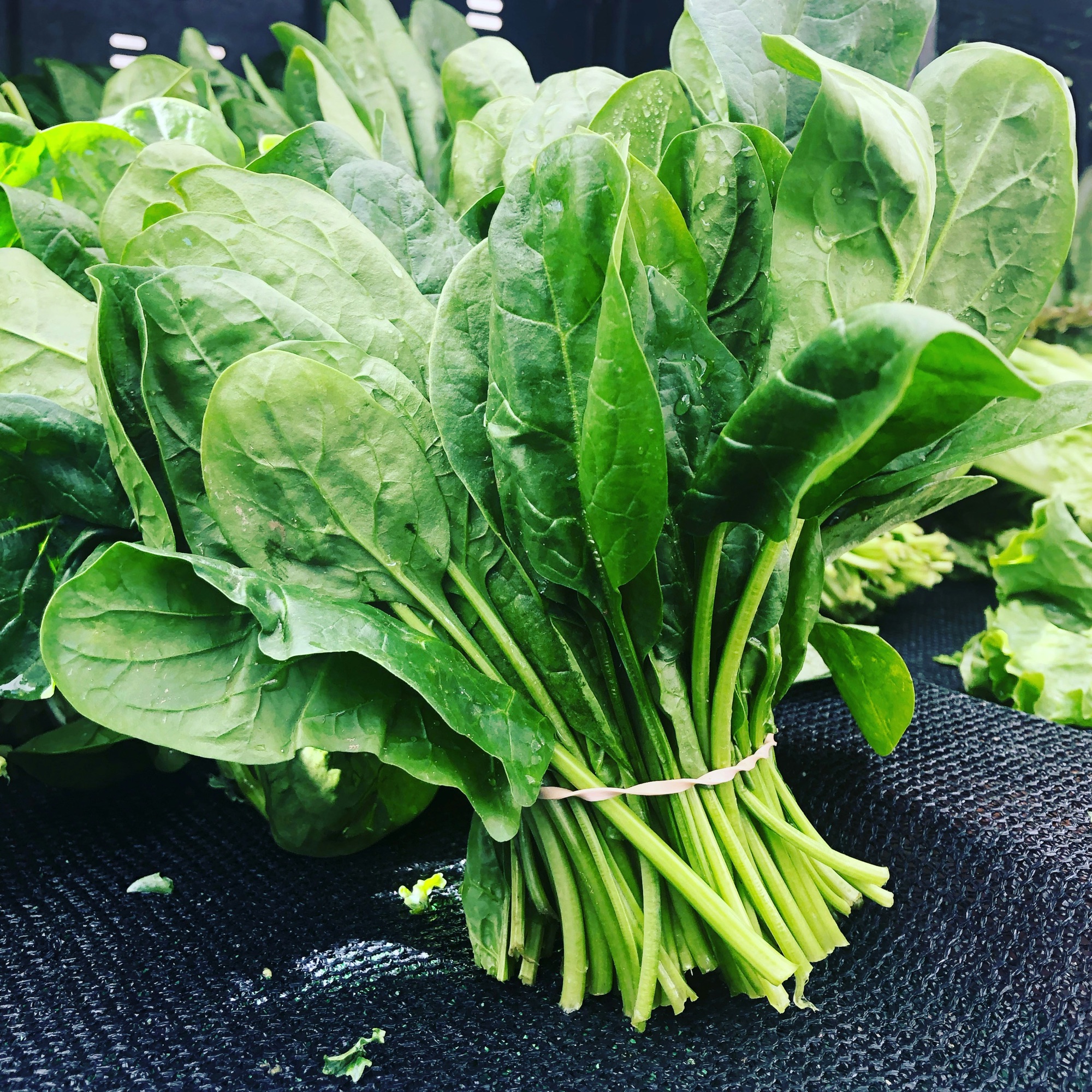

Spinach has been America’s favorite health vegetable for decades.
From Popeye to green smoothies, from gym culture to Mediterranean diet guides — spinach appears everywhere as a symbol of nutritional excellence. Americans consume millions of pounds of spinach every year, most of it with genuine health intentions.
Here’s what most spinach eaters don’t know.
The way most Americans cook spinach — boiling it, steaming it aggressively, or wilting it in a water-filled pan — systematically destroys the nutrients that made them reach for spinach in the first place.
I’ve spent 40 years engineering cookware and studying how heat interacts with food. And spinach is one of the clearest examples I know of where cooking method determines whether a vegetable actually delivers its promised nutrition — or simply delivers green-colored fiber with most of its value left in the cooking water.
Why Spinach Is Worth Protecting
Spinach is genuinely one of the most nutrient-dense vegetables available in American supermarkets. It provides:
Folate(Vitamin B9) essential for brain health, neurotransmitter production, cardiovascular function, and DNA synthesis. Particularly critical for seniors whose folate levels tend to decline with age.
Iron essential for oxygen transport, energy production, and cognitive function. Spinach provides non-heme iron — the plant-based form that, with the right preparation, is meaningfully absorbed.
Magnesium required for over 300 enzymatic processes in the body, including muscle function, nerve transmission, blood sugar regulation, and sleep quality. Most Americans are deficient.
Vitamin K essential for bone density, blood clotting regulation, and cardiovascular health. Spinach is one of the richest food sources available.
Lutein and zeaxanthin the carotenoids that protect macular health and reduce the risk of age-related vision loss. Fat-soluble, meaning they require dietary fat to be absorbed.
Vitamin C immune support, collagen synthesis, and iron absorption enhancement. Heat-sensitive and water-soluble.
This is an extraordinary nutritional profile. And conventional boiling and heavy steaming systematically compromise most of it.
What Boiling Foes to Spinach
Folate leaches into cooking water. Research has shown that boiling spinach can reduce its folate content by 50–77%. When you discard the cooking water, that folate goes with it — directly down your kitchen drain.
Magnesium leaches into cooking water. Like folate, magnesium dissolves into the water spinach is cooked in — significant for the large proportion of Americans already consuming inadequate magnesium.
Vitamin C is destroyed by heat and lost in water. And without Vitamin C, the non-heme iron in spinach is significantly less absorbable. You’re not just losing Vitamin C — you’re losing the key that unlocks the iron.
Lutein and zeaxanthin require fat. These fat-soluble carotenoids remain in the spinach through cooking, but without dietary fat present, absorption drops dramatically. Boiled spinach served without any fat delivers lutein that your body largely cannot use.
The Right Way to Cook Spinach
Method 1: AirCore Low-Moisture Cooking(The Best Method)
This is where cookware engineering makes a direct, measurable difference to nutritional outcome — and where I want to show you something rather than just describe it.
Six years ago, I filmed a demonstration of exactly what AirCore waterless, low-moisture cooking looks like in practice. Before reading further, I’d encourage you to watch it:
📺 AirCore Waterless Cooking — See It In Action
What you’ll see in that video is the same principle I apply to spinach every time I cook it:
Place fresh spinach in a heavy, multi-ply AirCore pan with a precision-fitted lid. Add no water, or at most 1–2 tablespoons. Cover with the tight-fitting lid. Cook over medium-low heat for 2–3 minutes until just wilted.
The AirCore system’s even heat distribution means no hot spots that would scorch the spinach unevenly. The precision-fitted lid creates a sealed micro-environment where the spinach’s own natural moisture circulates as steam — cooking the leaves gently without any added water to leach nutrients into.
The result: spinach that is wilted and digestible, with dramatically more folate, magnesium, and Vitamin C retained compared to boiling.
Finish immediately with extra virgin olive oil this single addition unlocks the lutein and zeaxanthin your eyes depend on and fresh lemon juice to enhance iron absorption.
Bright, vibrant green color is your visual confirmation that the method worked. Grey-green means overcooked and nutritionally depleted.
Method 2: Raw With Fat in Salads
Raw spinach retains 100% of its water-soluble vitamins. Always include a healthy fat — olive oil dressing, avocado, or eggs. The most common American mistake: spinach salad with fat-free dressing, which dramatically reduces lutein absorption.
Method 3: In Smoothies

Preparing fresh spinach with healthy fats for maximum nutrient absorption.
Add a source of healthy fat to your smoothie — avocado, nut butter, or full-fat yogurt — to enable lutein absorption from the spinach you’re already consuming.
The Iron and Vitamin C Connection
Always pair spinach with a Vitamin C source:
• Spinach wilted and finished with fresh lemon juice
• Spinach salad with lemon olive oil dressing
• Spinach smoothie with strawberries or kiwi
• Wilted spinach alongside bell peppers
And cook gently — because the same boiling that you might think is preparing the spinach is destroying the Vitamin C that would have made its iron absorbable.
What I Fo Every Time I Cook Spinach
After 40 years studying how heat affects food, and twenty years of applying these principles to my own diet since my angina diagnosis, here’s my actual approach:
I use my AirCore pan — heavy, well-insulated, with a precision-fitted lid. I add fresh spinach with no additional water. I cook covered over medium-low heat for 2–3 minutes — watching for the moment the leaves just wilt and turn a deeper, still-vibrant green. I remove from heat immediately.
I finish with extra virgin olive oil and fresh lemon juice. The spinach retains its color, its texture, and far more of its nutritional value than any boiling method could deliver.
This is what AirCore low-moisture cooking makes possible: the engineering of even, gentle heat distribution and a sealed cooking environment that protects nutrition rather than destroying it.
If you want to see this in action — not just described — here’s the demonstration I filmed six years ago:
📺 Watch: AirCore Waterless Cooking Demonstration
The American Spinach Opportunity
Americans already love spinach. The consumption is there. The intention is there. What’s missing is the understanding that cooking method determines whether all that spinach consumption actually delivers its promised nutritional return.
The change is simple. A heavy AirCore pan. A tight lid. Two to three minutes of gentle heat. A drizzle of olive oil at the end.
That’s the difference between spinach as a nutritional symbol and spinach as a genuinely functional food.
Two YouTube Channels Worth Subscribing To
For AirCore waterless cooking in action:
For weekly insights on cookware engineering and health aging:
Both channels share the same mission: protecting the nutrition in your food through engineering-backed cooking methods — so what you cook actually delivers what your body needs.
• Instagram: @peterpark318
• Full resource library: healthycookwareguide.com
#StopBoilingSpinach #HealthyCooking #Spinach #Folate #Iron
#Magnesium #Lutein #AirCore #WaterlessCooking #HealthyAging #SeniorHealth #LongevityTips #NutrientPreservation #EatWellAgeWell

Leave a Reply