Should you peel vegetables before cooking? For many of us, peeling vegetables is almost automatic.
Carrots? We peel them.
Potatoes? We peel them.
Cucumbers? Often the same.
But after more than 40 years working with cookware and observing how people prepare food in different countries, I have learned to ask a simple question before reaching for the peeler:
Does this vegetable really need to be peeled?
It may sound like a small question, but small habits can change the way we cook.
A Simple Lesson I Was Reminded of in Vietnam
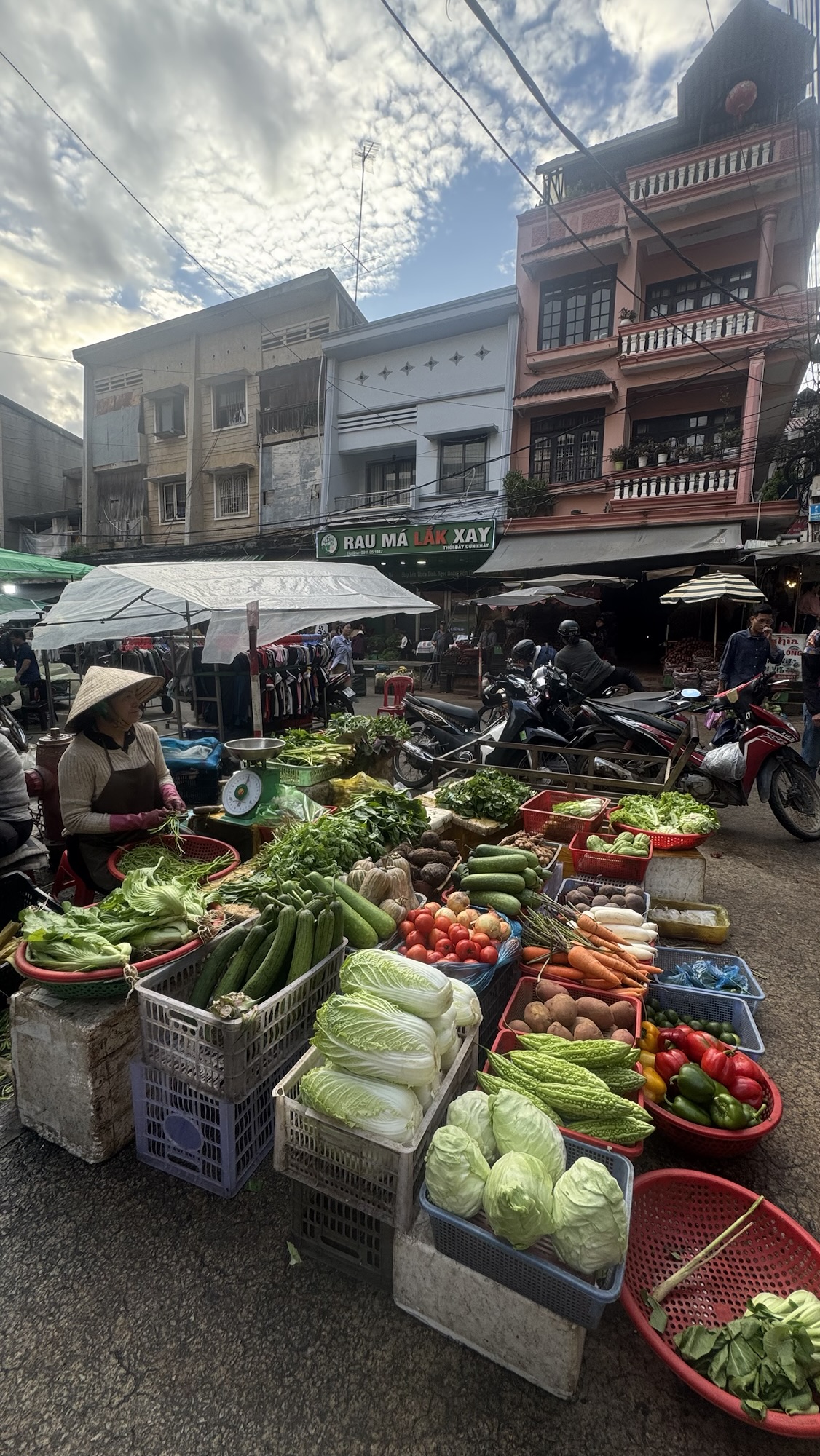
Walking through fresh markets in Vietnam, I often watched vendors and home cooks handle vegetables very simply.
The ingredients were not complicated.
Fresh vegetables, herbs, onions, garlic, pumpkins, carrots, and greens were everywhere.
Seeing those ingredients again reminded me of something I have believed for many years:
Good cooking doesn’t always require us to add more or remove more. Sometimes we should first understand what the ingredient already gives us.
That applies to vegetable skins. And it also applies to water and sugar.
I Don’t Automatically Peel Every Vegetable

When a vegetable is fresh and its outer portion is edible, I first consider whether peeling is actually necessary.
For carrots, a thorough wash and gentle scrubbing may be enough for many dishes.
Clean potato skins can work well in certain recipes.
The skins of cucumbers and zucchini can also often be left intact, depending on their condition and how they will be cooked.
Of course, this does not mean every vegetable should always be eaten with its skin.
If the outside is damaged, spoiled, unusually tough, heavily waxed, or otherwise unsuitable, I remove it.
My approach is simply:
Don’t peel by habit. Look at the ingredient first.
That can save preparation time and reduce unnecessary food waste.
Washing Comes First
If I decide to keep an edible skin, proper washing becomes especially important.
I wash vegetables carefully under clean running water, remove visible soil, and cut away damaged portions.
I don’t believe healthy home cooking needs to be complicated.
Good ingredients, proper cleaning, appropriate cookware, and careful heat control can accomplish a great deal.
What 40 Years Around Cookware Taught Me
One lesson has stayed with me throughout my years in the cookware business:
Good cooking is often about doing less, not adding more.
When cooking fresh vegetables, I don’t automatically pour water into the pot.
Why?
Because vegetables already contain natural moisture.
With suitable cookware and properly controlled heat, that moisture can often contribute significantly to the cooking process.
This became one of the principles behind the way I approach cooking:
No Water, No Added Sugar
I don’t mean this as an absolute rule for every recipe.
Soups, broths, rice, pasta, and many other dishes obviously require liquid. Rather, it is a question I ask before adding something:
Does this food already contain what I need?
Let the Food Use Its Own Natural Moisture
Consider onions, tomatoes, mushrooms, cabbage, zucchini, and many other vegetables.
Once heated gently, they begin releasing their own moisture.
Instead of immediately adding water, I prefer to see how much natural moisture the ingredients can provide.
This is particularly important in the way I use AirCore-style controlled cooking.
The idea is not simply to eliminate water.
It is to create a cooking environment where the natural moisture released from food can circulate and participate in cooking rather than immediately escaping.
For me, this is what No Water really means:
Use the food’s own moisture whenever the recipe and ingredients allow it.
And What About Sugar?
The same philosophy applies to sweetness.
Many ingredients already contain their own natural sweetness.
Onions become sweeter as they cook.
Carrots, pumpkin, tomatoes, sweet potatoes, and many other vegetables also bring their own flavors to a dish.
So before automatically reaching for sugar, I ask another question:
Can I bring out the sweetness already present in the ingredients?
Sometimes the answer is yes. That is what No Added Sugar means in my kitchen. Again, it is not a rigid rule for every recipe.
It is a reminder to taste the food first and allow the ingredients to do more of the work.
Healthy Cooking Doesn’t Have to Be Complicated
Over the years, I have seen countless cookware designs and cooking trends come and go.
But my own cooking philosophy has become simpler.
Use fresh ingredients.
Waste less. Add water only when necessary. Add sugar only when necessary. Control the heat.
Let the ingredients speak for themselves.
This philosophy has influenced the way I think about AirCore healthy cooking as well.
For me, cookware is not supposed to make extravagant health promises.
Its job is much simpler:
Help the cook manage heat and moisture effectively so good ingredients can be cooked well.
That is a principle I can stand behind after decades in the cookware business.
Try This the Next Time You Cook
The next time you prepare vegetables, try asking yourself three questions:
1. Do I really need to peel this?
If the skin is edible, clean, and suitable for the dish, perhaps not.
2. Do I really need to add water?
Look at how much natural moisture your ingredients contain and consider the recipe and cookware you are using.
3. Do I really need to add sugar?
Taste the natural ingredients first. These are very small questions.
But I have learned that better home cooking often begins with small decisions.
Grandpa Pot’s Kitchen Thought
After more than 40 years around cookware, I am still learning.
Sometimes the lesson comes from a sophisticated kitchen.
Sometimes it comes from a Vietnamese morning market filled with fresh vegetables.
And sometimes it comes from simply looking inside a pot and realizing:
The food may already have more to give us than we think.
That is the idea behind my approach to cooking:
Less Added Water. No Unnecessary Added Sugar. Let the Food’s Natural Moisture Do More of the Work
If you enjoy practical ideas about healthy home cooking, food traditions, and what I have learned during more than 40 years around cookware, follow Grandpa Pot’s Healthy Table for more.
You can also find my latest videos, travel stories, and healthy-cooking content through my Linktree.
Grand Pot’s Kitchen Thought
After more than 40 years around cookware, I’m still learning.
Sometimes the lesson comes from a sophisticated kitchen. Sometimes it comes from a Vietnamese morning market filled with fresh vegetables. And sometimes it comes from simply looking inside a pot and realizing:
The food may already have more to give us than we think.
That is the simple philosophy behind the way I cook:
No Water. No Added Sugar. Let the Food Cook in Its Own Natural Moisture.
Not as a strict rule for every recipe, but as a reminder to respect the ingredients, use controlled heat, and add only what is really needed.
What Do You Think?
Do you usually peel your vegetables?
Do you add water when cooking them, or have you tried letting vegetables cook with their own natural moisture?
I’d love to hear how you cook at home. Please share your experience or questions in the comments.
I’ll continue sharing practical lessons from my 40+ years around cookware, along with healthy cooking ideas and food discoveries from my travels.
For my latest Grandpa Pot’s Healthy Table videos, cooking stories, and other channels, you can find everything here:
👉 Peter Park’s Linktree – Grandpa Pot’s Healthy Table & More
Leave a Reply